
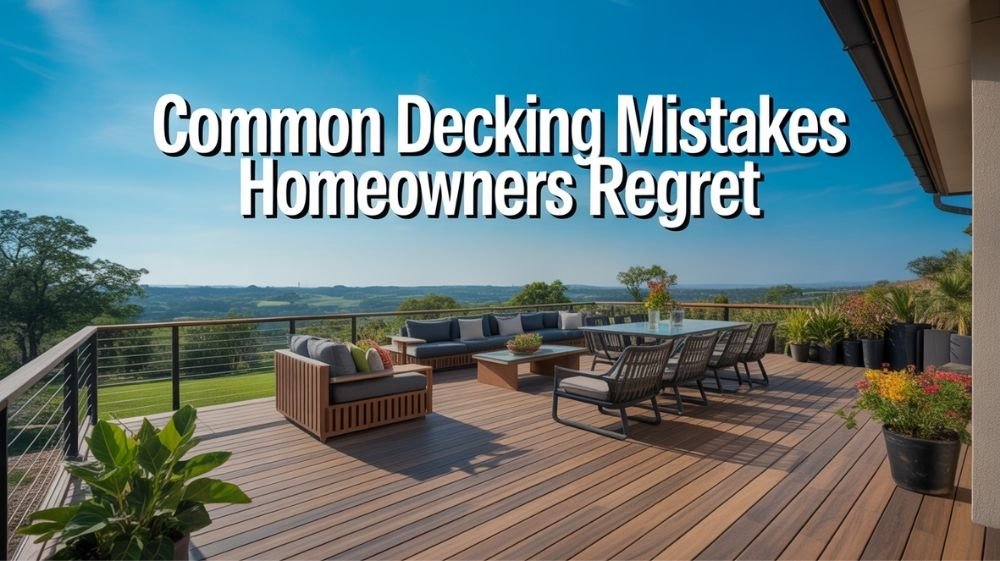
Building a deck in San Antonio is like adding a new room to your home, one that handles blazing summers, surprise hail, and those humid evenings perfect for family barbecues or quiet Hill Country sunsets. It’s an investment in outdoor living, but we’ve seen it time and again: excited homeowners dive in headfirst, only to face sagging boards, safety scares, premature wear, or pricey fixes just a few years down the road. The good news? Most regrets stem from a handful of avoidable mistakes. Drawing from hundreds of local builds (and yes, a fair share of rescue jobs and tear-downs), we’ve spotlighted the biggest culprits, so you can sidestep the headaches and end up with a backyard oasis that stands strong for decades.
Mistake 1: Skipping Permits and Ignoring Local Codes
Nothing kills the post-build buzz faster than a knock from the city inspector, or worse, an order to redo or demolish parts of your deck. In Bexar County and surrounding areas like Boerne, New Braunfels, or Schertz, decks over 30 inches high require permits, with strict rules on footings, railings, structural loads, and even setbacks from property lines. We’ve had clients who thought “it’s just a low deck” and went DIY, only to face hefty fines or insurance headaches when issues arose.
Pro fix: Always check with your local building department early, pull the necessary permits, and adhere to Texas Residential Code (largely based on IRC standards). It not only ensures safety but protects your resale value down the line. For the latest on local requirements, check the City of San Antonio residential deck guidelines. Always confirm with your building department early to avoid surprises.
Mistake 2: Weak Foundations and Improper Footings
San Antonio’s expansive clay soil is notorious, it swells with rain and shrinks in drought, turning shallow footings into a recipe for disaster. Undersized or poorly placed concrete piers lead to uneven settling, tilting decks, cracked boards, and even structural failure over time. We’ve seen decks in Schertz or Alamo Heights that looked fine at first but started leaning dramatically after a wet spring.
Pro fix: Dig footings below the frost line (typically 12-18 inches minimum here), use at least 16×16-inch or larger concrete piers with rebar reinforcement, and consider soil testing for tricky lots. A rock-solid foundation means no movement, no regrets.
Mistake 3: Botching the Ledger Board Attachment
For attached decks, the ledger board is the critical link to your house, bearing much of the weight. Common errors include using nails instead of structural lag screws, skipping proper flashing, or failing to seal against the siding. This lets water seep in, causing rot in the house rim joist and potentially catastrophic detachment.
The North American Deck and Railing Association (NADRA) has great breakdowns on why ledger failures happen and how to prevent them with correct bolts, flashing, and sealing. Pair that with TimberTech’s deck building codes guide for visuals on safe attachments.
Pro fix: Bolt with 1/2-inch lags into solid framing, install Z-flashing over the ledger, and caulk meticulously. We’ve reinforced dozens of these hidden time bombs, getting it right upfront for peace of mind.
Mistake 4: Wrong Material Choice or Cutting Corners on Quality
Grabbing the cheapest boards often backfires spectacularly in our intense UV and humidity. Budget pressure-treated pine warps, splinters, and fades quickly; entry-level composites can sag, stain permanently, or lose color. Homeowners regret not considering long-term performance, ending up with annual repairs or full replacements sooner than expected.
For smarter picks, dive into our guides, and determine the best decking materials for your home. In San Antonio’s climate, capped composites frequently win for minimal upkeep and lasting beauty.
Beyond our internal guides, Trex’s Academy has straightforward tips on planning a successful deck build, including why skimping on capped composites in hot, humid climates like ours leads to fading and extra work. Trex’s joist spacing and fastener guides are spot-on for avoiding sag in Texas heat.
Mistake 5: Poor Planning and Layout Design
Rushing the blueprint phase creates decks that feel cramped, get scorched by afternoon sun, or lack flow for entertaining. We’ve heard regrets like “We built it too small for our dining set” or “No shade means we never use it in summer.” Overlooking drainage or integration with patio covers and outdoor kitchens is another frequent miss.
Pro fix: Map out zones for lounging, grilling, and traffic. Incorporate shade elements early and think about best outdoor lighting ideas for nighttime magic.
Mistake 6: Ignoring Railing Height and Safety Specs
Railings are non-negotiable for elevated decks, yet shortcuts here are dangerously common, too short, spaced too wide for kids, or loosely attached. In family homes, this turns a relaxing spot into a liability.
Pro fix: Meet or exceed 36-42 inch heights with balusters no more than 4 inches apart. Details matter, see why deck railing height matters.
The IRC sets the baseline at 36 inches minimum (with tighter baluster spacing to keep little ones safe), but some spots bump it higher.
Mistake 7: Wrong Joist Spacing, Fasteners, or Ventilation
Over-spacing joists causes bouncy, sagging surfaces; cheap galvanized fasteners corrode in our moisture; and blocked airflow breeds mold underneath. These subtle flaws compound over time.
Pro fix: Strictly follow manufacturer spans (tighter for composites), use stainless or coated hardware, and ensure good under-deck ventilation or drainage.
The Bottom Line: Build Smart, Enjoy Longer
These pitfalls usually trace back to haste, budget cuts, or overconfident DIY without full research. Avoid them, and your deck becomes the ultimate backyard hub, no creaks, no worries, just good times.
Here’s the reward: A thoughtfully designed, durable deck that elevates your outdoor life.
At French’s Custom Outdoor Concepts, we’ve turned countless San Antonio yards into regret-free retreats with decks, patio covers, and outdoor kitchens built to thrive in Texas conditions. Dreaming of yours? Reach out for a free, no-pressure consult, we’ll scout your space, flag potential issues early, and craft it right from day one.
French’s Custom Concepts: San Antonio’s trusted pros for decks, patio covers, and outdoor kitchens built to outlast the Texas weather.